Following the Trail from Free Spins to Mobile Live Dealer Tables in Britain's Licensed Gambling Venues
Felix Bennett · Sep 11, 2026
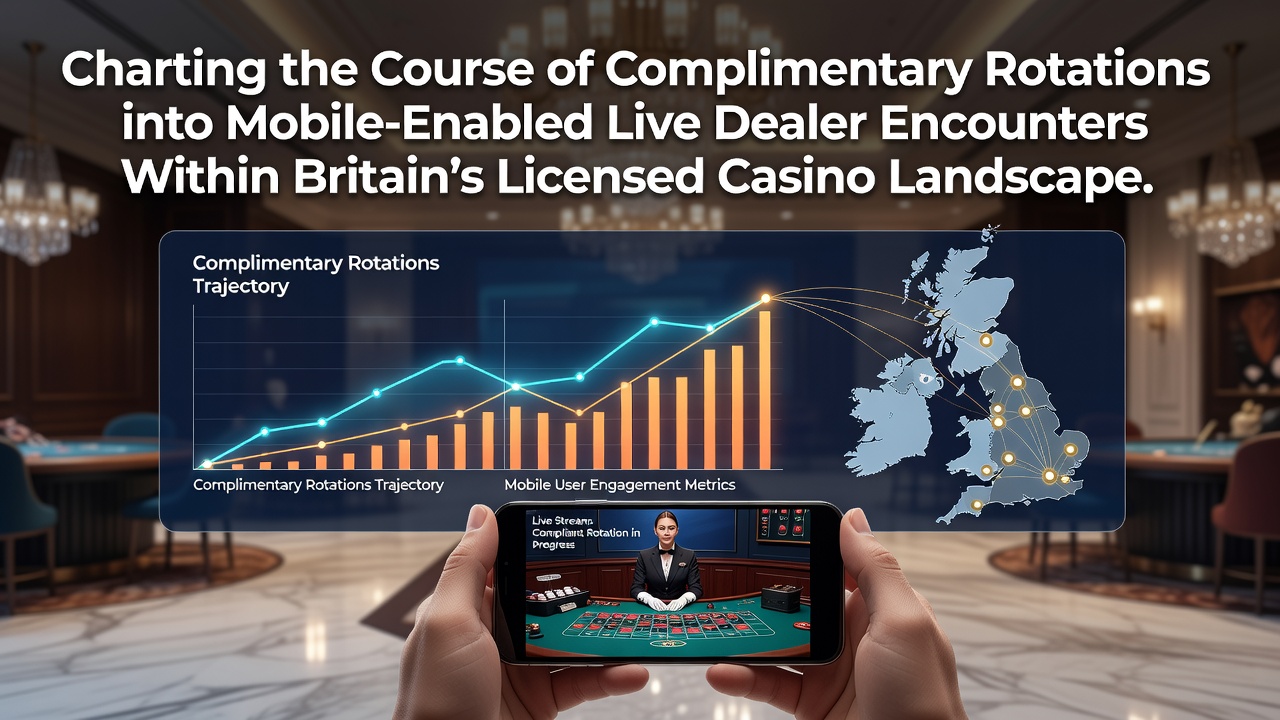
Following the Trail from Free Spins to Mobile Live Dealer Tables in Britain's Licensed Gambling Venues
Complimentary rotations on digital slots have long served as entry points for participants in Britain's licensed casino environment, and operators have developed structured pathways that guide users toward mobile-enabled live dealer encounters through progressive engagement mechanics. Data from industry monitoring bodies shows that many players begin with no-deposit or welcome spin offers on slots before transitioning to real-time table games accessed via smartphone applications, a pattern that gained further traction as mobile interfaces improved between 2024 and 2026.
Pathways from Bonus Spins to Interactive Tables
Operators structure bonus progressions so that initial free spin allocations introduce game mechanics, after which players encounter prompts or loyalty incentives directing them toward live dealer options on the same platform. Research indicates these transitions often occur within the same mobile application, where slot interfaces sit alongside live dealer lobbies that stream from dedicated studios. Figures reveal that session data collected across multiple licensed sites demonstrates a measurable uptick in live dealer participation once players complete initial spin requirements, particularly when wagering contributions from spins carry over to table game play.
Mobile Accessibility and Platform Integration
Smartphone applications now host both spin-based games and live dealer streams within unified environments, allowing seamless movement between formats without separate logins or downloads. In September 2026, platform analytics from several major licensed operators recorded higher average session durations when users accessed live dealer blackjack or roulette directly after completing complimentary rotation rounds on mobile devices. These integrations rely on responsive design elements that maintain consistent account balances, bonus tracking, and responsible gambling tools across both game types, reducing friction that might otherwise interrupt player journeys.
What's notable is how loyalty programs layer additional incentives onto these transitions, with points earned from spins redeemable for live dealer table credits or enhanced mobile features such as priority seating in virtual studios. Observers note that this approach mirrors patterns seen in other regulated markets, where similar cross-format progression systems appear in reports issued by bodies such as the Nevada Gaming Control Board and the Canadian Centre for Gaming Research. Those who've examined user flow data across UK sites find that mobile notifications frequently highlight upcoming live dealer sessions immediately following spin completion, further channeling activity toward real-time encounters.
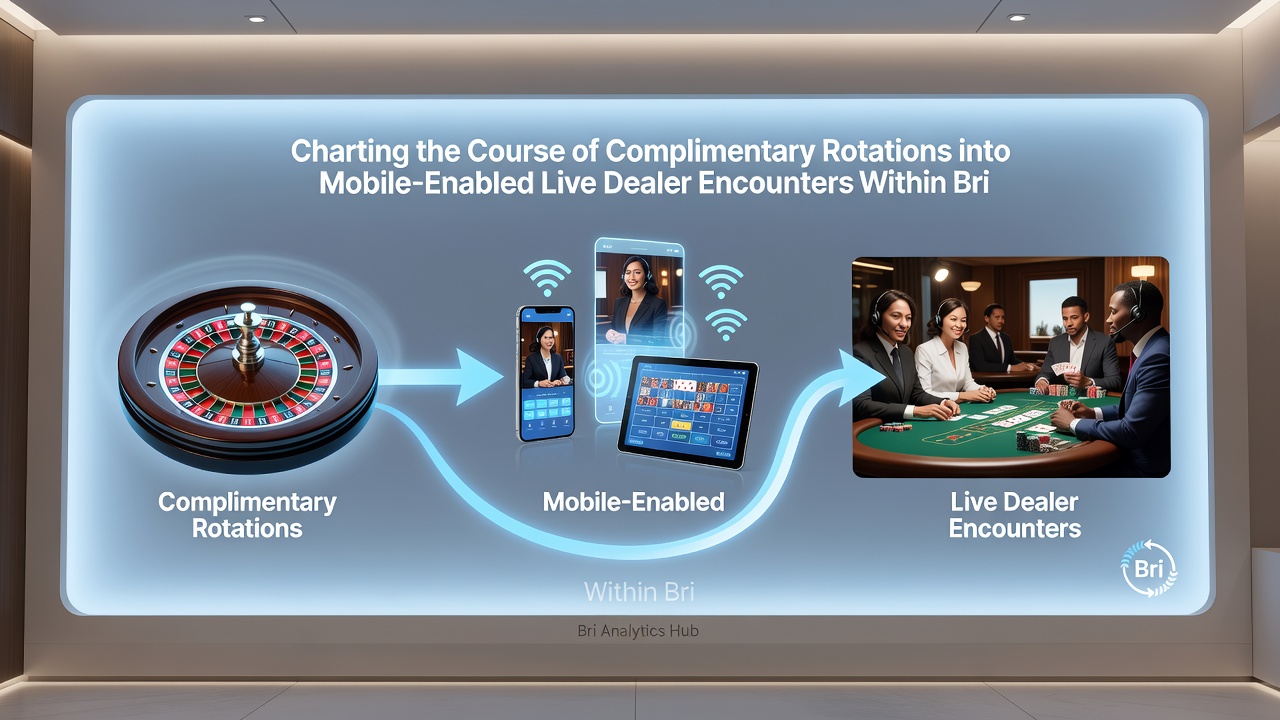
Regulatory Context and Industry Data Trends
Licensed operators must ensure all promotional mechanics, including the movement from complimentary rotations to live dealer play, comply with prevailing standards set by oversight authorities. Reports compiled by academic research groups and trade associations highlight steady growth in mobile live dealer participation rates throughout 2025 and into 2026, with particular emphasis on how bonus structures influence these shifts. External analyses from organizations such as the Australian Gambling Research Centre have documented comparable movement patterns in other jurisdictions, underscoring that mobile accessibility plays a central role in converting initial spin users into regular live table participants.
Platform operators track conversion metrics that show how many users who activate free spin offers subsequently place wagers at live dealer tables within the same week, and these statistics inform ongoing refinements to mobile user interfaces. In practice, developers adjust navigation flows so that after spin rounds conclude, prominent buttons or banners direct attention to dealer-hosted games, while maintaining clear separation between promotional and cash play balances. This technical arrangement supports both player choice and regulatory transparency requirements without introducing unnecessary complexity.
Examples from Licensed Operations
Take one major licensed platform that introduced a tiered bonus system in early 2025, where players completing sets of complimentary rotations received targeted invitations to mobile live dealer events featuring lower minimum bets. Participation logs from that operator indicated increased engagement with roulette and blackjack streams among those who accepted the invitations. Another case involved a network of sites that synchronized spin-based loyalty rewards with live dealer tournament entries accessible exclusively through their mobile applications, resulting in documented rises in cross-format activity according to internal performance summaries shared with industry partners.
These examples illustrate how operators leverage existing player data to time promotional nudges that encourage movement from one game type to another. The underlying technology relies on unified player accounts that carry forward both balance information and responsible gambling settings, ensuring continuity whether a user remains on slots or shifts to dealer-hosted tables.
Conclusion
The documented progression from complimentary rotations to mobile-enabled live dealer encounters reflects deliberate platform design choices within Britain's licensed casino landscape, supported by mobile technology improvements and data-driven promotional strategies. Industry figures continue to track these patterns as operators refine integration methods, with September 2026 data providing further evidence of sustained activity across both formats. External research from varied regulatory and academic sources reinforces that such transitions form part of broader engagement trends observed in multiple regulated environments, though outcomes remain dependent on individual player preferences and platform-specific implementations.